Antique Turkish Anatolian Rugs and Their Fascinating History
If you've ever held an antique Turkish rug in your hands, like really looked at it, you know there's something different happening. It's not just a rug. It's a record. A piece of the Anatolian Peninsula, woven by hand, knot by knot, by people who were doing something extraordinary without even thinking of it that way. They were just living…and weaving was part of that life.
That's what makes Antique Anatolian rugs so special. Let's get into it.

Key Characteristics of Anatolian Rugs
The designs
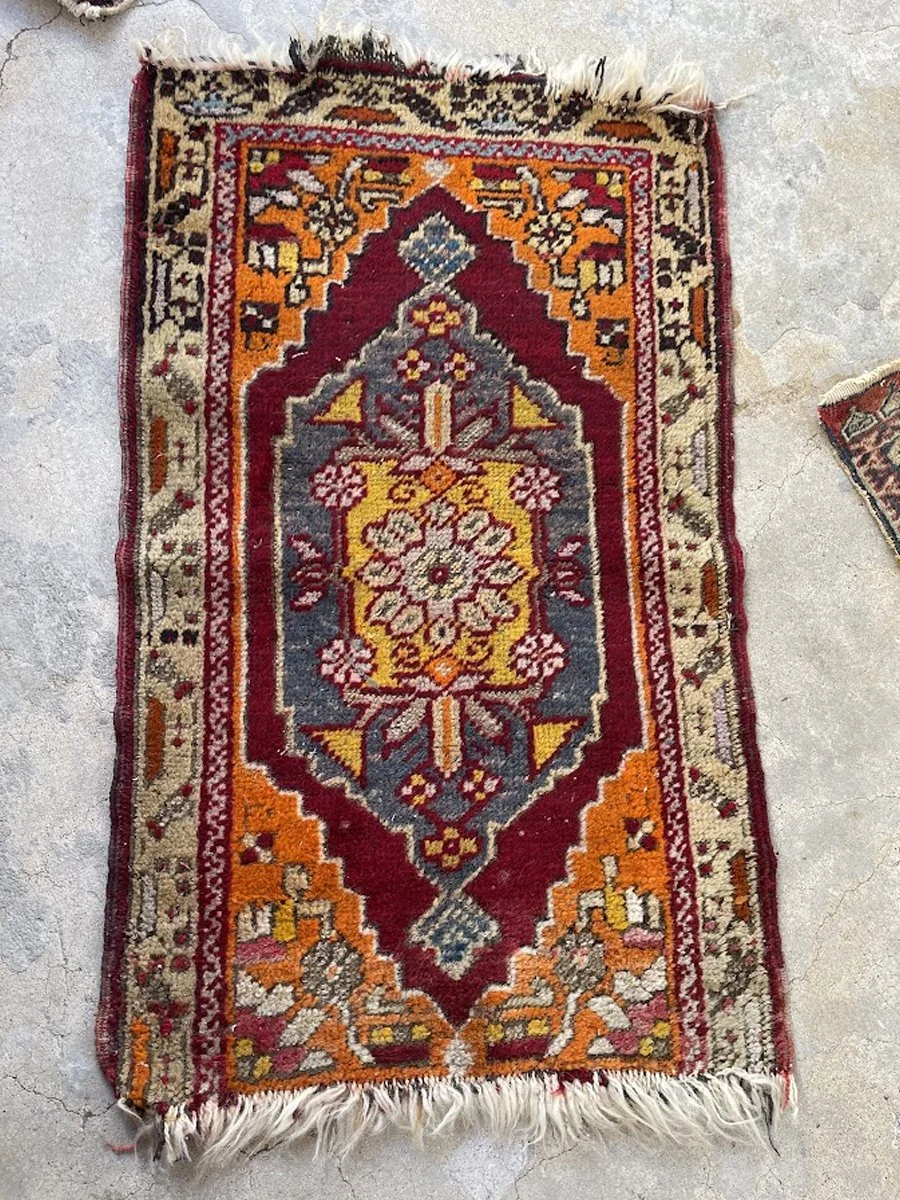
Geometric, floral, medallion-based Anatolian rug patterns carry centuries of meaning. Protection. Fertility. Prosperity. Each motif was rooted in the beliefs of the people who wove it, and each region brought its own flavor. You can tell an Oushak from a Konya just by the way the field breathes. That kind of regional personality is rare and worth knowing about.
The materials
Primarily wool, which is exactly what you want. Dense, warm, durable. Occasionally silk for the finer pieces, cotton in the foundation. These weavers used what the land gave them and turned it into something that's still alive a century later.

The weaving techniques
The Turkish knot, the Gördes knot, is the hallmark here. Strong, consistent, built to last. Some pieces use the Persian knot for finer detail. Either way, these aren't techniques you learn in a weekend. They were passed down through generations, grandmother to daughter, in homes and villages across Anatolia.
The colors
Reds from cochineal. Blues from indigo. Yellows from plants. The natural dye palette of Anatolian rugs is earthy, layered, and has pop, and it only gets better with age. You'll see abrash, those subtle color shifts that tell you the wool was dyed in batches, by hand, the old way. That's not a flaw. That's the fingerprint.
Regional personalities
Oushak rugs have soft pastels, large-scale geometric motifs, dreamy and mellow. Hereke (one I own and have on the wall above my own bed) have fine silk, intricate florals, the couture of the rug world. Kilim are flat-woven, graphic, unmistakable. Every region has its own voice and once you start recognizing them, you can't stop.
Curious for more deep diving? I’ve got more for you…
Top 10 Tips for Buying Oriental Rugs
Key Features of Antique Persian Nomadic Area Rugs
The Rich History of Anatolian Rugs
Anatolian rug-making goes back thousands of years. The earliest weavers were nomadic tribes moving across the Anatolian landscape , and for them, rugs weren't décor. They were shelter. Warmth. Dowry. Survival woven into fiber.
When the Seljuk Turks arrived in the 11th century, they brought new techniques and patterns that folded into the existing traditions. The rugs got more sophisticated. More layered. Then came the Ottoman Empire in the 15th century and Anatolian rugs became a symbol of power and prestige, woven for palaces, for mosques, for royalty.
By the 19th century, the Trans-Anatolian Railway opened everything up. Western markets discovered these rugs and fell hard. Demand surged. Artisans adapted, new colors, new motifs, new scale, while still holding onto the traditions that made them extraordinary. That's the era most of what we carry at BPR comes from. That golden window of old world craft meeting new world curiosity.

What’s at Blue Parakeet Rugs
Authentic. Handwoven. Old. That's the standard. Every antique Anatolian rug in the shop has been handpicked, not sourced in bulk, not filtered through a warehouse. Whether you're looking for a vintage runner for a hallway or a large area rug to anchor a room, there's something here with real age and real character behind it.
Free shipping in the USA, Canada $50, international $150.
Questions? Just reach out. I love talking about these rugs almost as much as I love finding them.
And if you want to go deeper into what makes old rugs so special, read Antique vs. Vintage Rugs: What's the Difference, because I got so much more to say.
XO Sheba